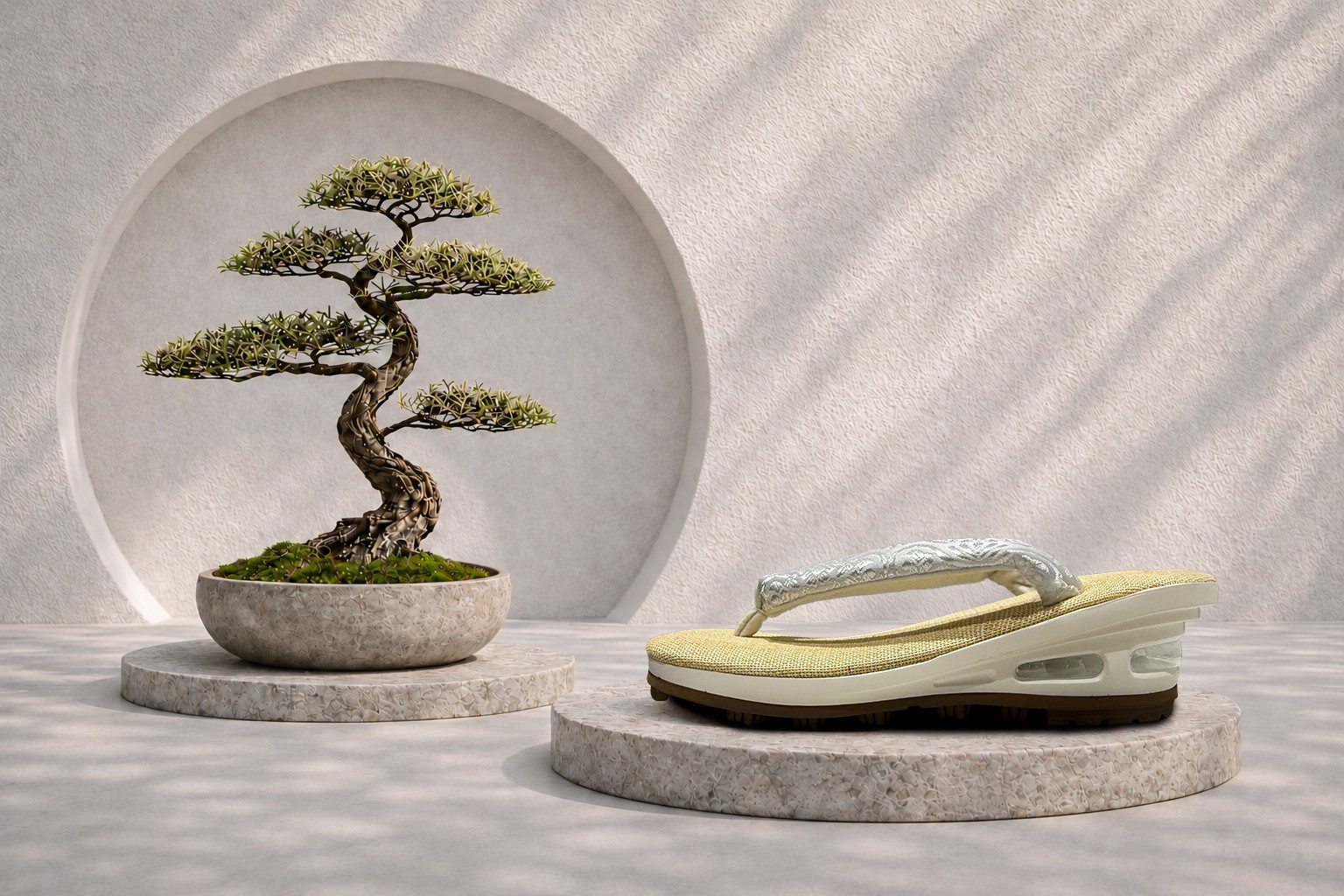
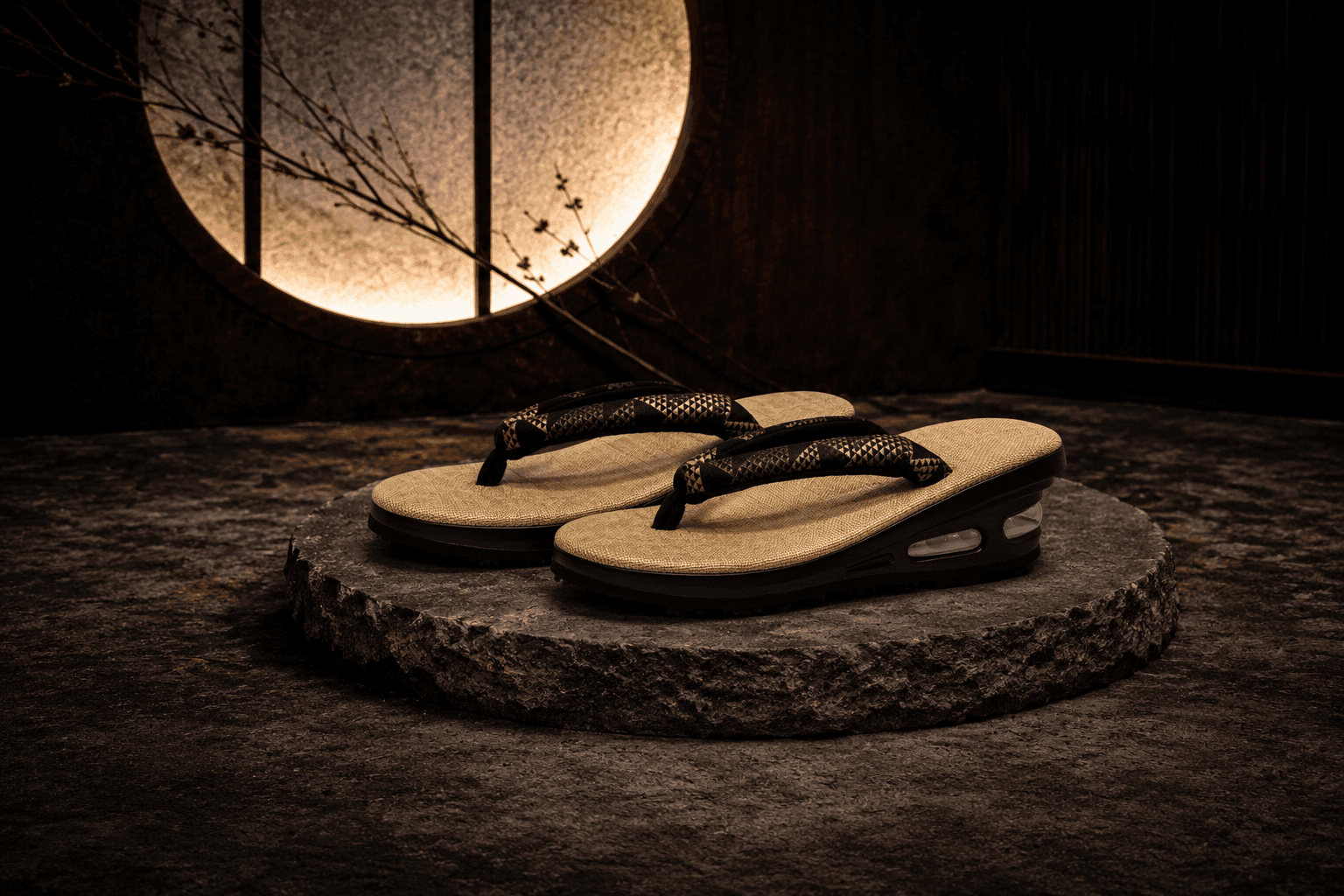
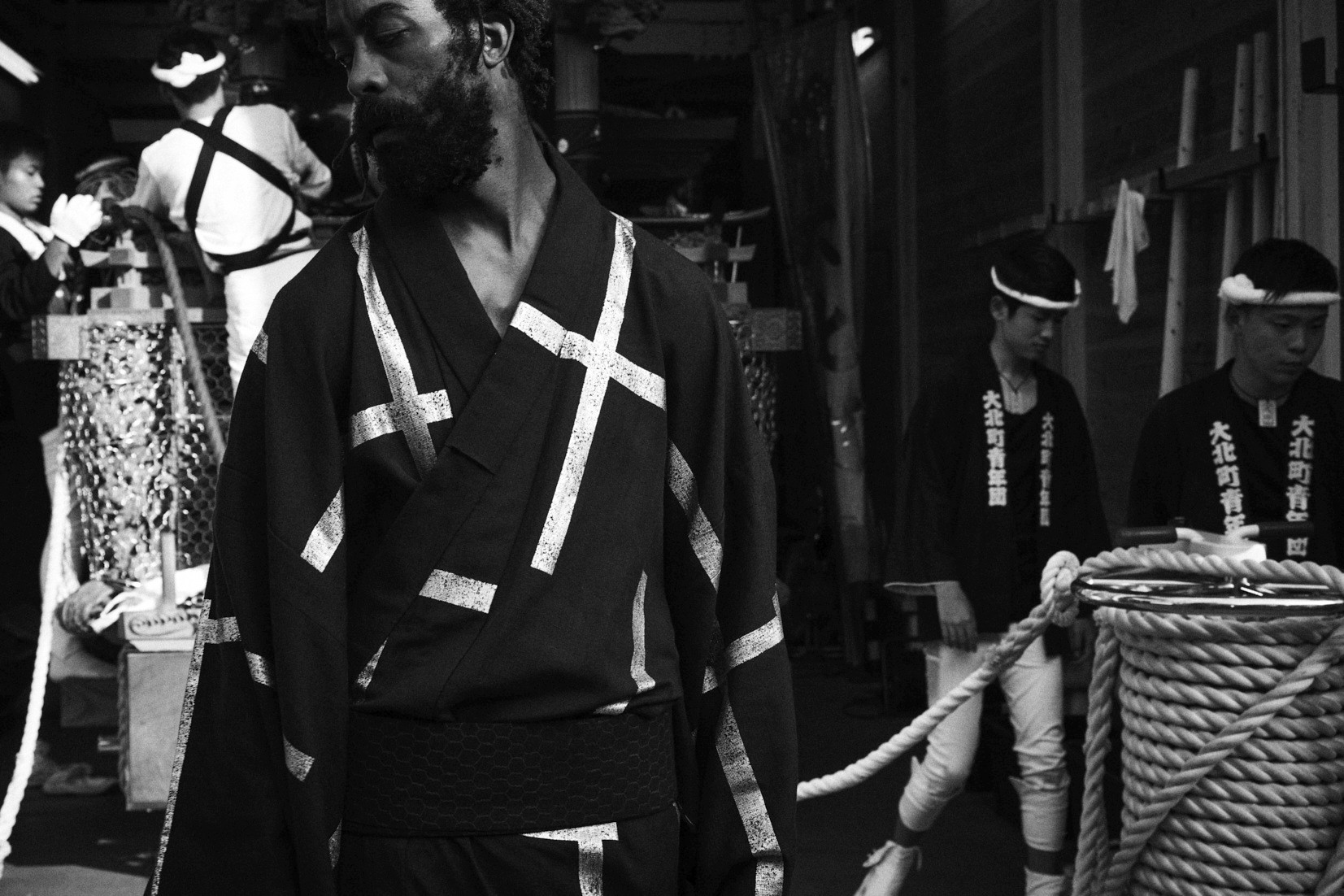
BRAND CONCEPT
"We want to spread Japan's wonderful culture to the world".
Our new brand "KAVKI(kabuki)"a its name suggests, is derived from the "eccentric"characters and "kabuki" from Japanese history.
The eccentric characters have a strong presence in Japanese history as outcasts, are admired by many, and have a very strong visual
impact. Kabuki is familiar and memorable to people overseas. Through the brand "KAVKI", we aim to reinterpret Japanese culture in
modern way and make a statement to the world.
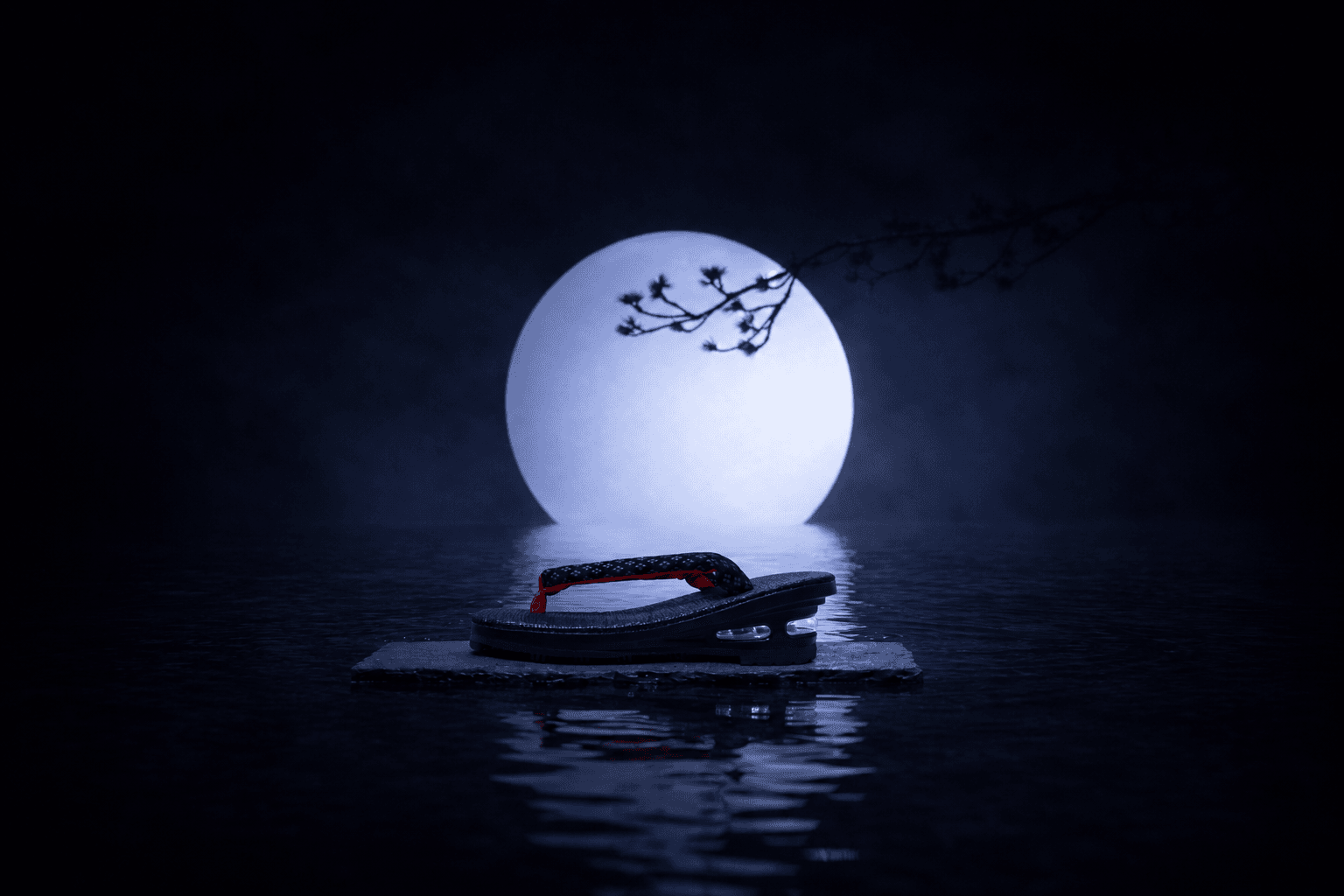
SYMBOL & IDENTITY

Kumadori — Expression Beyond Words
KAVKI's logo incorporates a design inspired by "Kumadori," the makeup used in Kabuki theater.
Kumadori is a type of makeup applied by Kabuki actors on stage. It is a uniquely Japanese aesthetic that expresses emotions, individuality, strength, and beliefs through lines and colors. It is not merely decoration, but an expression to visualize the inner spirituality.
Boldness and delicacy. Strength and beauty.
The aesthetic of Kumadori, where seemingly contradictory elements coexist, resonates with KAVKI's design philosophy. We do not simply reproduce tradition, but reinterpret it with a modern sensibility and transmit it to the world as new value.
Crest-Inspired Sole Pattern
The sole of KAVKI shoes features an original pattern inspired by traditional Japanese culture, specifically family crests.
This design originates from Maeda Keiji, a samurai who was active from the Sengoku period to the early Edo period. Maeda Keiji was known for his flamboyant attire and unconventional behavior, earning him the reputation of a “eccentric and flamboyant person” (kabuki-mono).
He was unbound by existing values and pursued his own aesthetic. This spirit deeply resonates with KAVKI's concept of a "modern-day kabuki-mono."
The sole design incorporates motifs inspired by the Maeda family crest. It reinterprets the geometric and refined beauty of ancient Japanese crest culture in a modern way.
It is not merely decorative, but a design symbolizing rebellious spirit, aesthetic sensibility, and respect for Japanese culture. Even in the unseen details, the spirit of Japan is embodied. That, too, is a manufacturing philosophy that KAVKI values.


SYMBOL & IDENTITY
Kumadori — Expression Beyond Words
KAVKI's logo incorporates a design inspired by "Kumadori," the makeup used in Kabuki theater.
Kumadori is a type of makeup applied by Kabuki actors on stage. It is a uniquely Japanese aesthetic that expresses emotions, individuality, strength, and beliefs through lines and colors. It is not merely decoration, but an expression to visualize the inner spirituality.
Boldness and delicacy. Strength and beauty.
The aesthetic of Kumadori, where seemingly contradictory elements coexist, resonates with KAVKI's design philosophy. We do not simply reproduce tradition, but reinterpret it with a modern sensibility and transmit it to the world as new value.
Crest-Inspired Sole Pattern
The sole of KAVKI shoes features an original pattern inspired by traditional Japanese culture, specifically family crests.
This design originates from Maeda Keiji, a samurai who was active from the Sengoku period to the early Edo period. Maeda Keiji was known for his flamboyant attire and unconventional behavior, earning him the reputation of a “eccentric and flamboyant person” (kabuki-mono).
He was unbound by existing values and pursued his own aesthetic. This spirit deeply resonates with KAVKI's concept of a "modern-day kabuki-mono."
The sole design incorporates motifs inspired by the Maeda family crest. It reinterprets the geometric and refined beauty of ancient Japanese crest culture in a modern way.
It is not merely decorative, but a design symbolizing rebellious spirit, aesthetic sensibility, and respect for Japanese culture. Even in the unseen details, the spirit of Japan is embodied. That, too, is a manufacturing philosophy that KAVKI values.
SYMBOL & IDENTITY
Kumadori — Expression Beyond Words
KAVKI's logo incorporates a design inspired by "Kumadori," the makeup used in Kabuki theater.
Kumadori is a type of makeup applied by Kabuki actors on stage. It is a uniquely Japanese aesthetic that expresses emotions, individuality, strength, and beliefs through lines and colors. It is not merely decoration, but an expression to visualize the inner spirituality.
Boldness and delicacy. Strength and beauty.
The aesthetic of Kumadori, where seemingly contradictory elements coexist, resonates with KAVKI's design philosophy. We do not simply reproduce tradition, but reinterpret it with a modern sensibility and transmit it to the world as new value.
Crest-Inspired Sole Pattern
The sole of KAVKI shoes features an original pattern inspired by traditional Japanese culture, specifically family crests.
This design originates from Maeda Keiji, a samurai who was active from the Sengoku period to the early Edo period. Maeda Keiji was known for his flamboyant attire and unconventional behavior, earning him the reputation of a “eccentric and flamboyant person” (kabuki-mono).
He was unbound by existing values and pursued his own aesthetic. This spirit deeply resonates with KAVKI's concept of a "modern-day kabuki-mono."
The sole design incorporates motifs inspired by the Maeda family crest. It reinterprets the geometric and refined beauty of ancient Japanese crest culture in a modern way.
It is not merely decorative, but a design symbolizing rebellious spirit, aesthetic sensibility, and respect for Japanese culture. Even in the unseen details, the spirit of Japan is embodied. That, too, is a manufacturing philosophy that KAVKI values.
STORY
KABUKI:
Japanese Aesthetics that Over turn Common Sense.
1.
The Origin:
“kabukimono”
- A Spirit of Rebellion.
The origin of the word “kabuki” comes from the 16th century Japanese word “kabuku”(to lean). In the conservative society of the time, it was a term used to refer to “heretics” who dressed unconventionally and behaved freely.
They adhered to their own aesthetic sense without being bound by existing frameworks. This rebellious spirit of “vividly be traying common sense” is the philosophy that underlies the brand.
2.
The History:
Prayer and Fervor from Chaos.
Kabuki was born in an era when a long period of warfare had ended and people yearned for peace. It began with a dance of solace and hope performed by a woman Izumo no Okuni.
It was the energy of “hare”(the extraordinary), a release from the oppression of everyday life. For the common people of Edo, kabuki was not merely theater; it was a place to unleash their life force, the ultimate form of entertainment.
3.
Our Philosophy:
Continuing the tradition with “KABUKI”.
Kabuki has evolved for over 400 years, incorporation the cutting edge of each era.
Tradition is not simply about preserving old forms. It’s about inheriting the spirit of “iki”(sophistication) and “hari”(bold pride) that our predecessors possessed, and proposing new and surprising elements to the modern age.
We stand as modern-day “kabukimono”, redefining Japanese aesthetics for the world.
STORY
KABUKI:
Japanese Aesthetics that Over turn Common Sense.
1.
The Origin:
“kabukimono”
- A Spirit of Rebellion.
The origin of the word “kabuki” comes from the 16th century Japanese word “kabuku”(to lean). In the conservative society of the time, it was a term used to refer to “heretics” who dressed unconventionally and behaved freely.
They adhered to their own aesthetic sense without being bound by existing frameworks. This rebellious spirit of “vividly be traying common sense” is the philosophy that underlies the brand.
2.
The History:
Prayer and Fervor from Chaos.
Kabuki was born in an era when a long period of warfare had ended and people yearned for peace. It began with a dance of solace and hope performed by a woman Izumo no Okuni.
It was the energy of “hare”(the extraordinary), a release from the oppression of everyday life. For the common people of Edo, kabuki was not merely theater; it was a place to unleash their life force, the ultimate form of entertainment.
3.
Our Philosophy:
Continuing the tradition with “KABUKI”.
Kabuki has evolved for over 400 years, incorporation the cutting edge of each era.
Tradition is not simply about preserving old forms. It’s about inheriting the spirit of “iki”(sophistication) and “hari”(bold pride) that our predecessors possessed, and proposing new and surprising elements to the modern age.
We stand as modern-day “kabukimono”, redefining Japanese aesthetics for the world.
STORY
KABUKI:
Japanese Aesthetics that Over turn Common Sense.
1.
The Origin:
“kabukimono”
- A Spirit of Rebellion.
The origin of the word “kabuki” comes from the 16th century Japanese word “kabuku”(to lean). In the conservative society of the time, it was a term used to refer to “heretics” who dressed unconventionally and behaved freely.
They adhered to their own aesthetic sense without being bound by existing frameworks. This rebellious spirit of “vividly be traying common sense” is the philosophy that underlies the brand.
2.
The History:
Prayer and Fervor from Chaos.
Kabuki was born in an era when a long period of warfare had ended and people yearned for peace. It began with a dance of solace and hope performed by a woman Izumo no Okuni.
It was the energy of “hare”(the extraordinary), a release from the oppression of everyday life. For the common people of Edo, kabuki was not merely theater; it was a place to unleash their life force, the ultimate form of entertainment.
3.
Our Philosophy:
Continuing the tradition with “KABUKI”.
Kabuki has evolved for over 400 years, incorporation the cutting edge of each era.
Tradition is not simply about preserving old forms. It’s about inheriting the spirit of “iki”(sophistication) and “hari”(bold pride) that our predecessors possessed, and proposing new and surprising elements to the modern age.
We stand as modern-day “kabukimono”, redefining Japanese aesthetics for the world.